RESEARCH
[HARVARD OFFICE FOR URBANIZATION]
[HARVARD OFFICE FOR URBANIZATION]
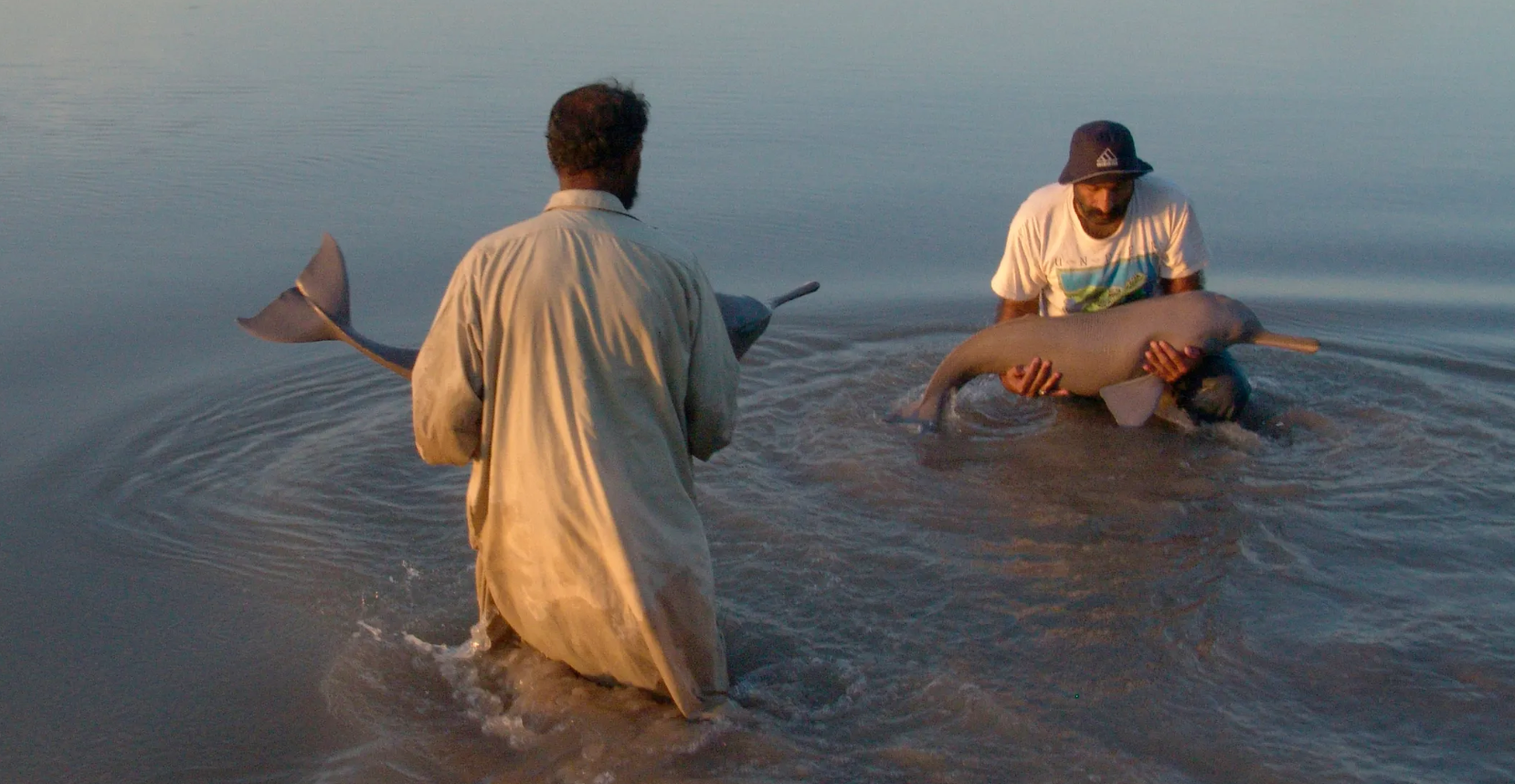
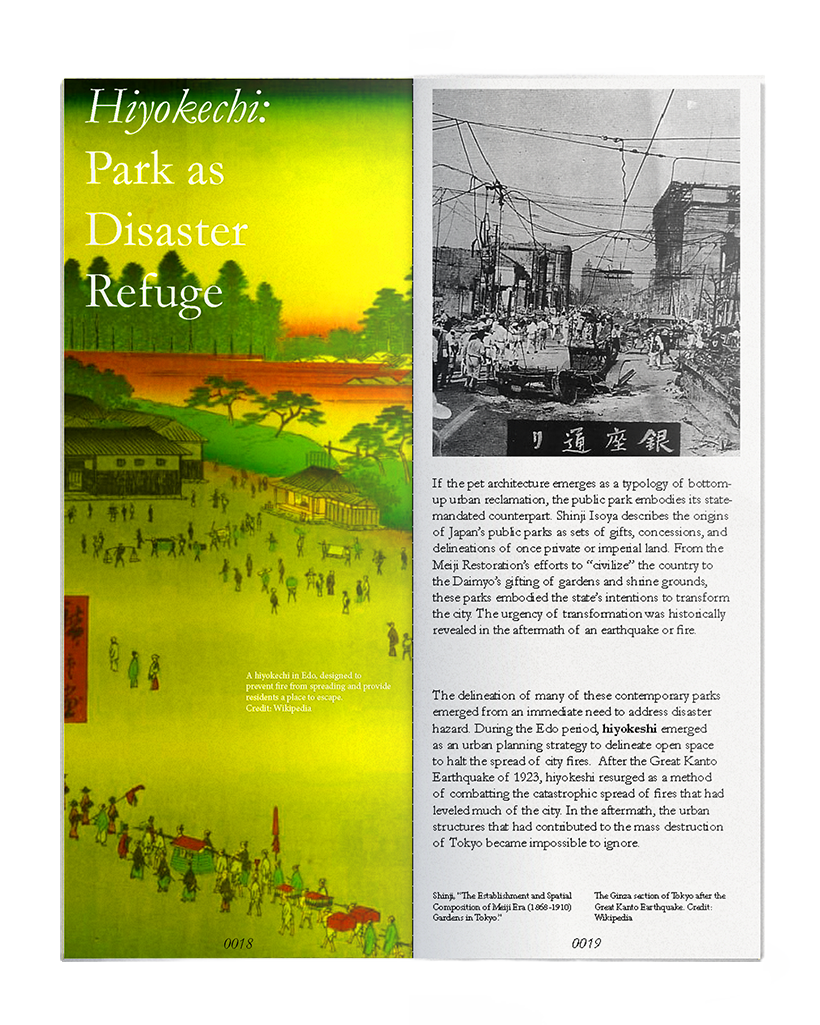
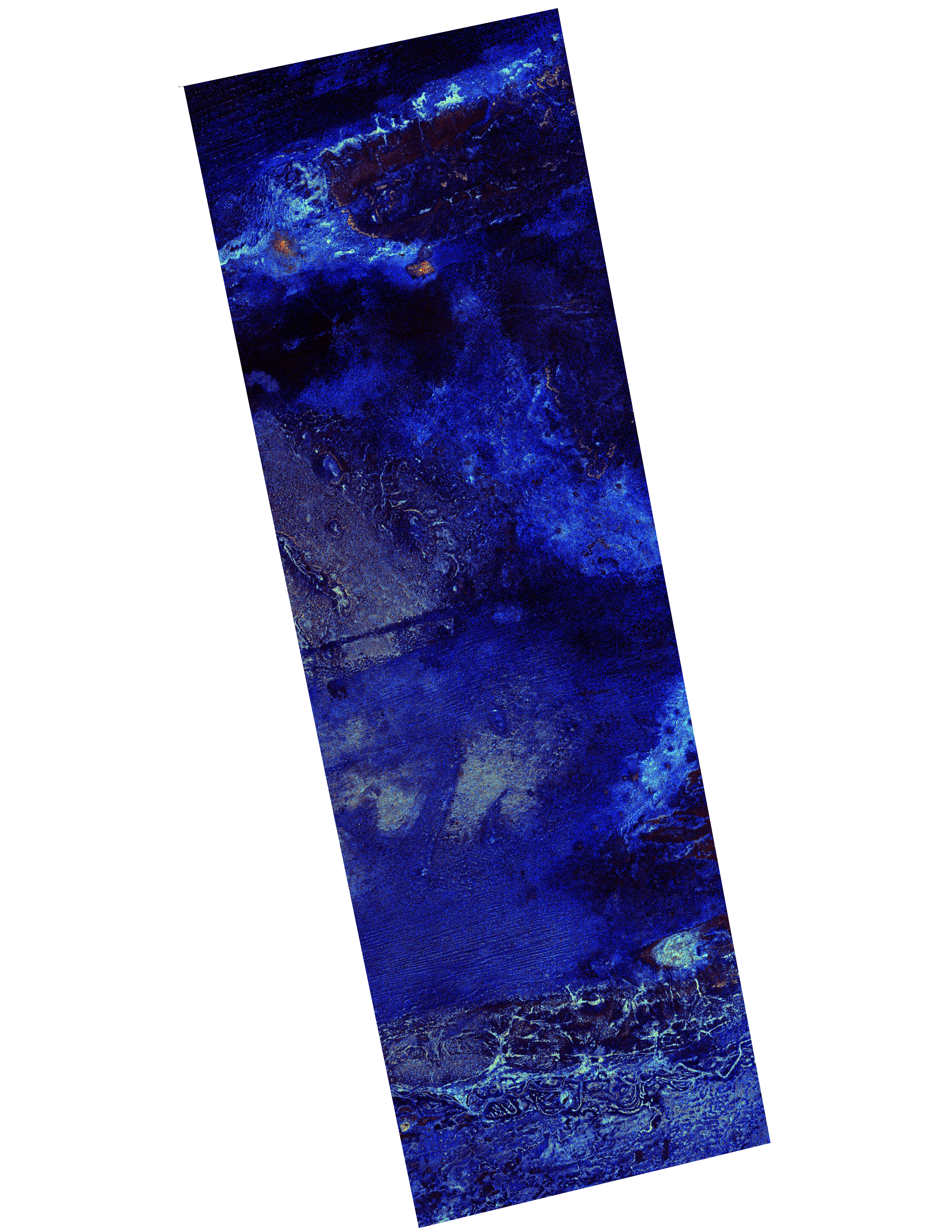
MANGROVE ECOLOGIES IS A CATALOG OF REFORESTATION KNOWLEDGE IN THE INDUS DELTA
2024
[HARVARD OFFICE FOR URBANIZATION]
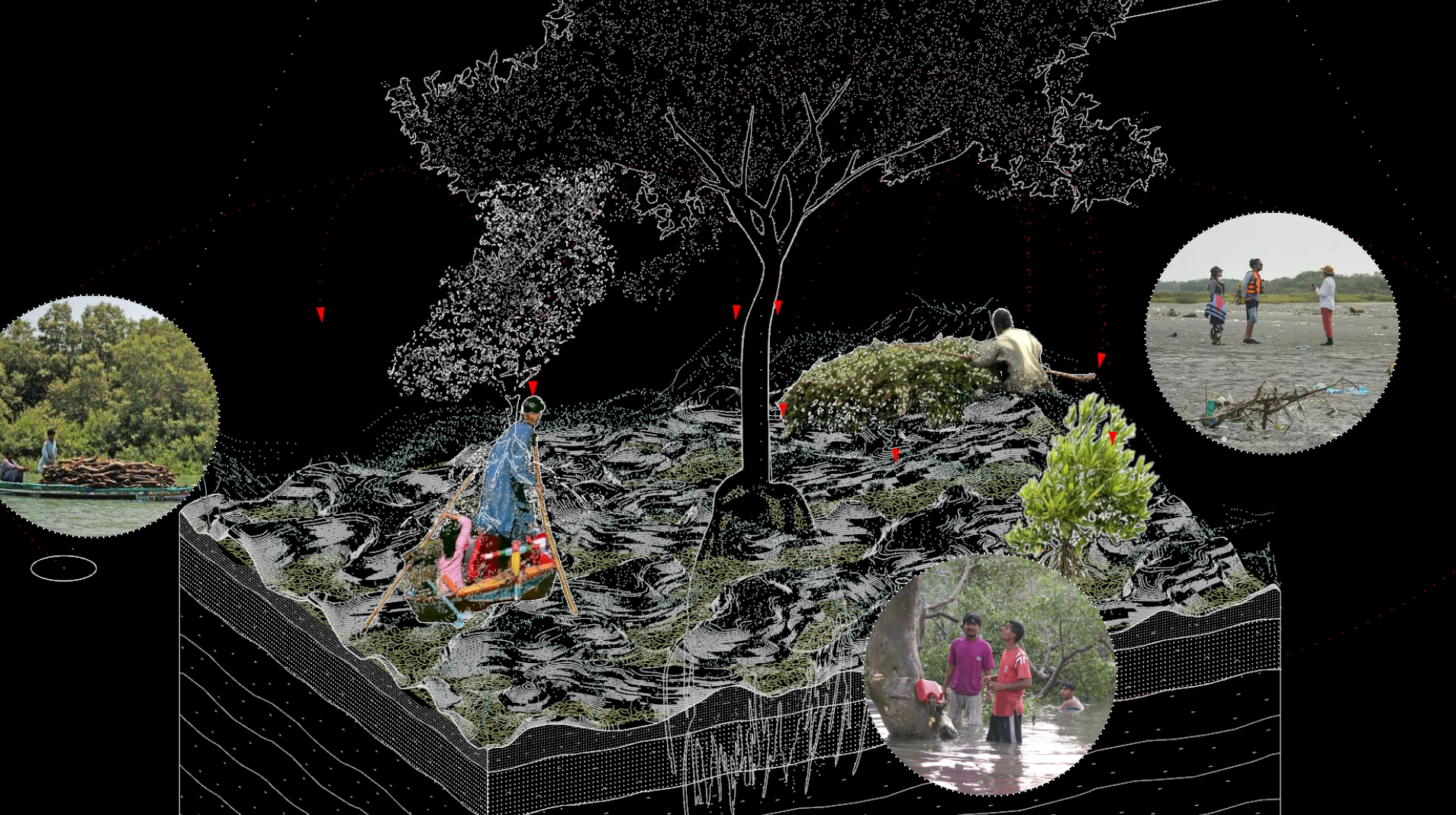
MANGROVE ECOLOGIES IS A CATALOG OF REFORESTATION KNOWLEDGE IN THE INDUS DELTA
2024
[HARVARD OFFICE FOR URBANIZATION]
[HARVARD OFFICE FOR URBANIZATION]
2024
[HARVARD OFFICE FOR URBANIZATION]
2024
[HARVARD OFFICE FOR URBANIZATION]
[HARVARD OFFICE FOR URBANIZATION]
FILM
TENDING IS A SONIC FILM ON PRACTICES OF LAND REPAIR AND CARE WITHIN THE FLOOD ZONES OF GLACIAL LAKES
[HARVARD OFFICE FOR URBANIZATION]
TENDING IS A SONIC FILM ON PRACTICES OF LAND REPAIR AND CARE WITHIN THE FLOOD ZONES OF GLACIAL LAKES
[HARVARD OFFICE FOR URBANIZATION]
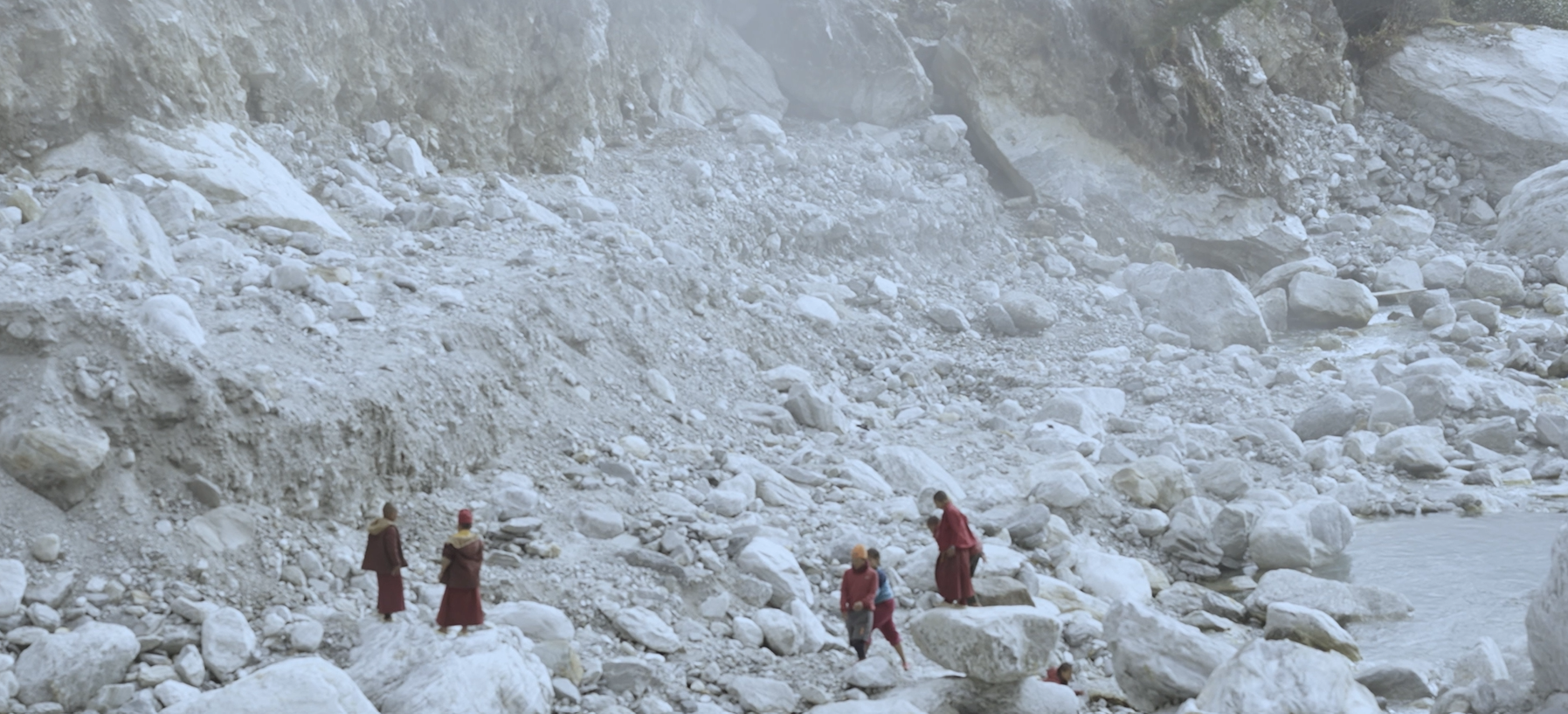
HYMNS FOR GLACIA IS A FILM DOCUMENTING THE LOSS OF GLACIAL LANDS AND LIFE
2024
[HARVARD OFFICE FOR URBANIZATION]
HYMNS FOR GLACIA IS A FILM DOCUMENTING THE LOSS OF GLACIAL LANDS AND LIFE
2024
[HARVARD OFFICE FOR URBANIZATION]
[HARVARD OFFICE FOR URBANIZATION]
SPACE
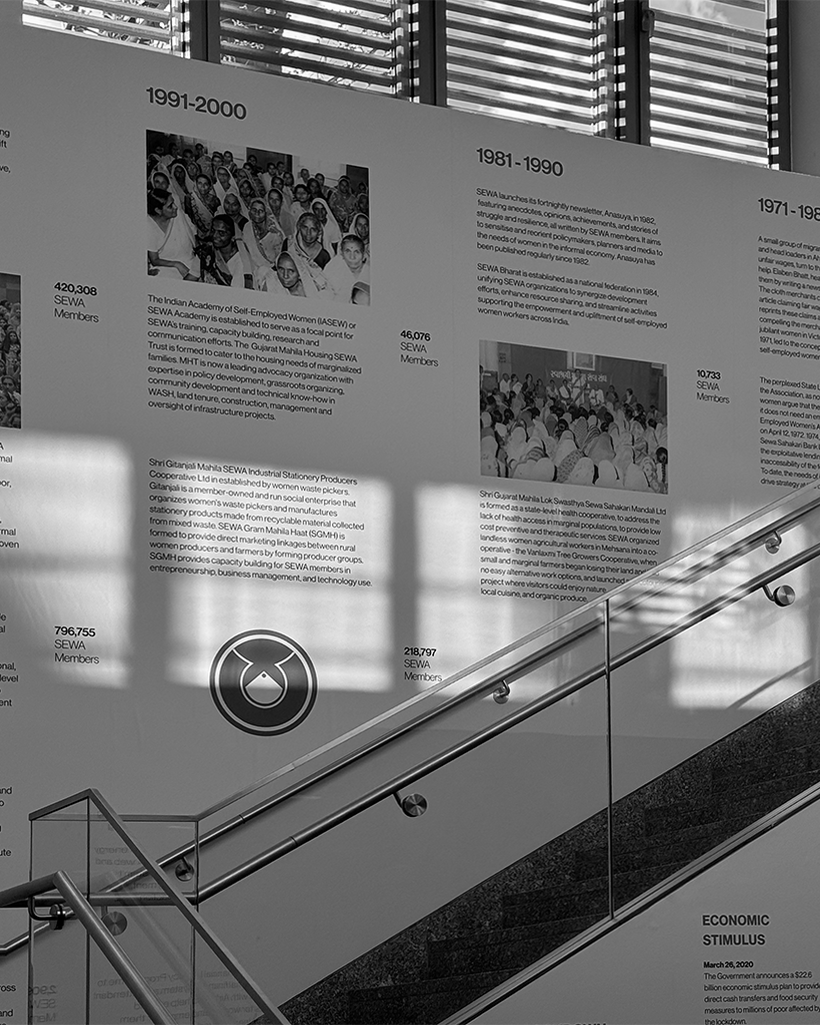
WE ARE ONE IS A MULTIMEDIA EXHIBITION NARRATING A HISTORIC WOMEN’S LABOR MOVEMENT IN INDIA
2024
[HARVARD OFFICE FOR URBANIZATION]
WE ARE ONE IS A MULTIMEDIA EXHIBITION NARRATING A HISTORIC WOMEN’S LABOR MOVEMENT IN INDIA
2024
[HARVARD OFFICE FOR URBANIZATION]
[HARVARD OFFICE FOR URBANIZATION]
2024
[HARVARD OFFICE FOR URBANIZATION]
2024
[HARVARD OFFICE FOR URBANIZATION]
[HARVARD OFFICE FOR URBANIZATION]

2024
[HARVARD OFFICE FOR URBANIZATION]
2024
[HARVARD OFFICE FOR URBANIZATION]
[HARVARD OFFICE FOR URBANIZATION]

AUDIO AVIARY
A Device to Call toSongbirds with Citizen-Recorded Birdsongs
Harvard University
Graduate School of Design
Harvard Office for Urbanization
(2024)
MDes Open Project
Advised by Charles Waldheim
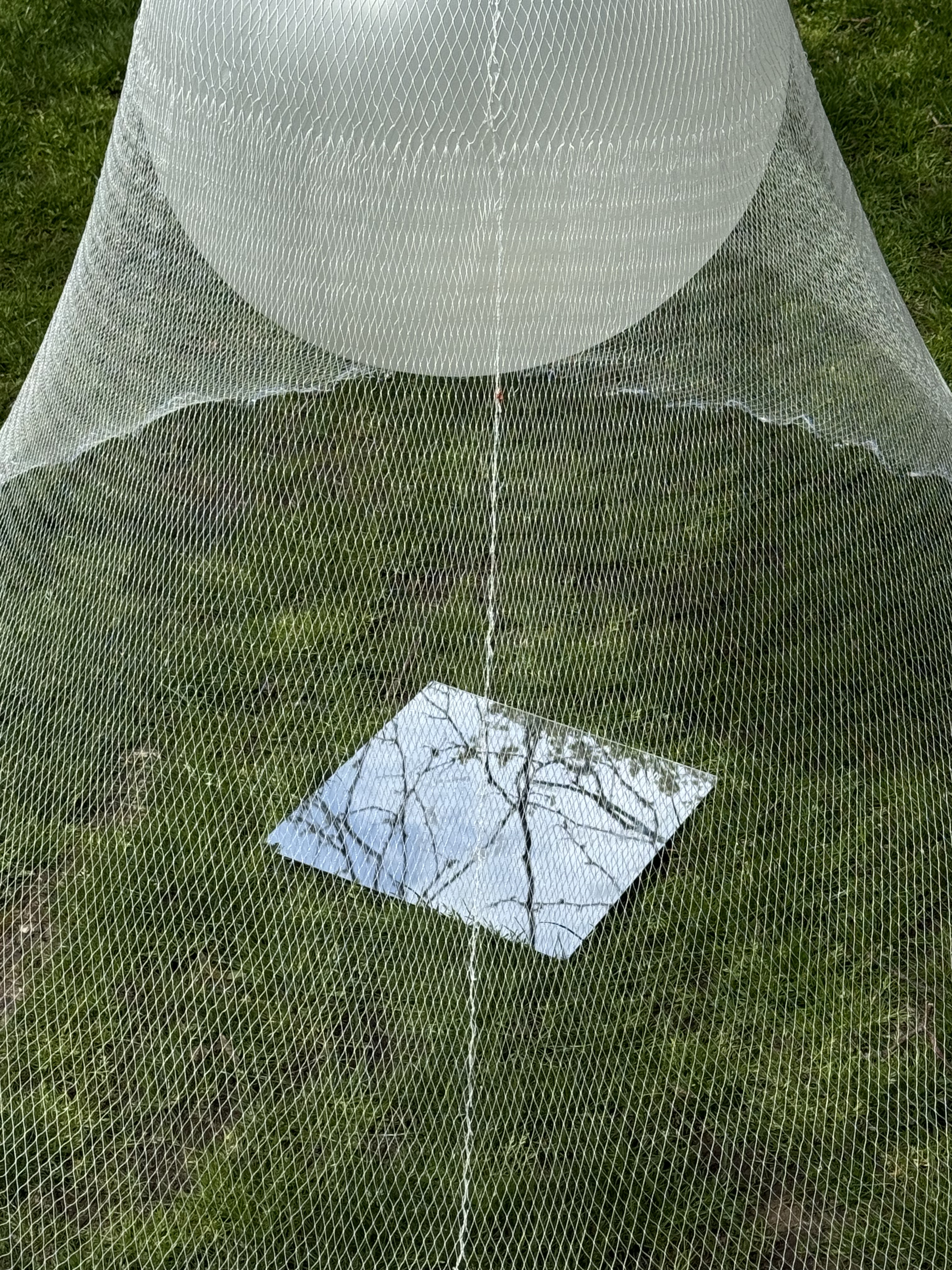
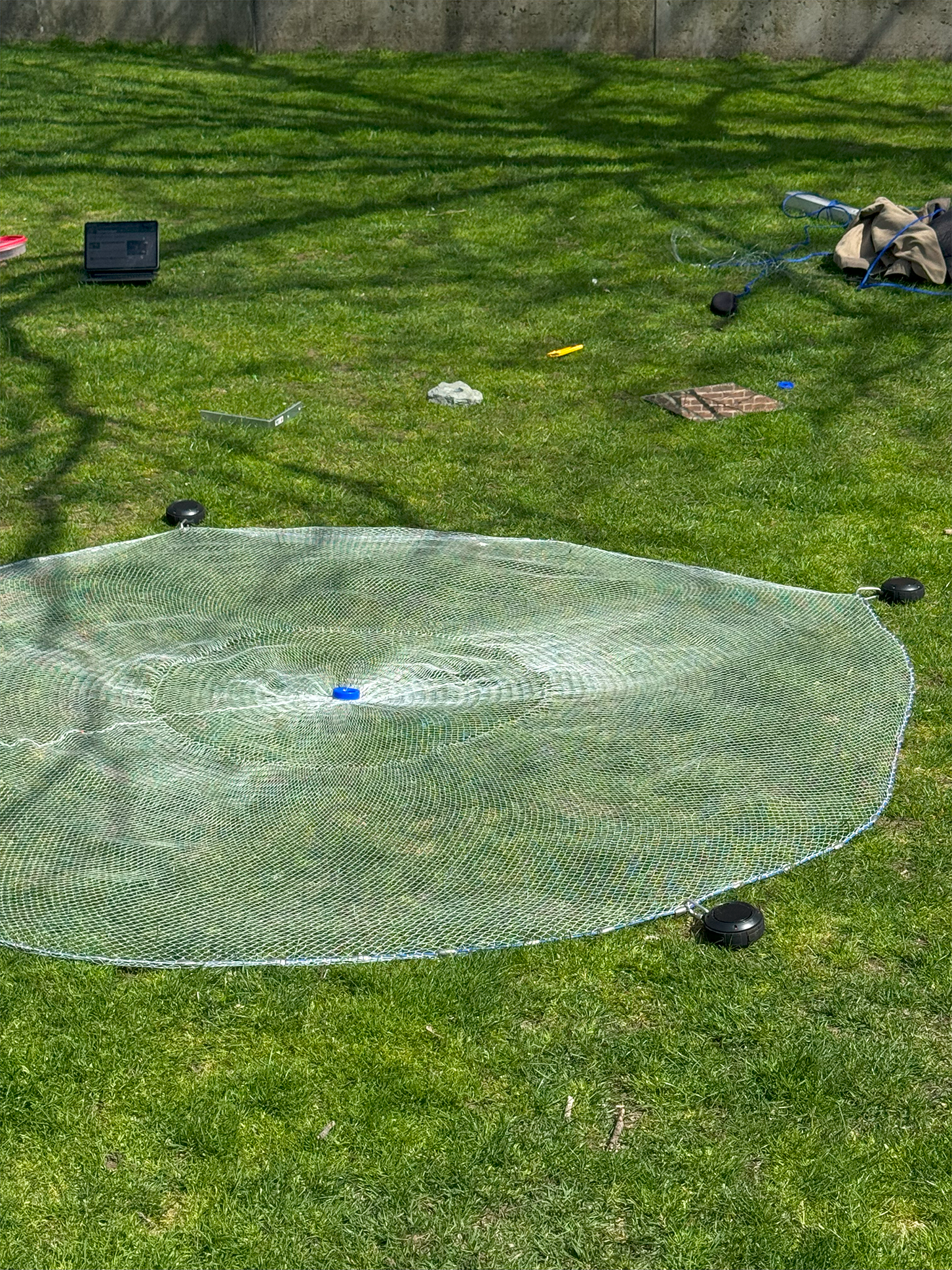
AUDIO AVIARY is a bird sound installation at Gund Hall. In opposition to its colonial history of capture and ecological conquest, this Aviary is positioned not a technology of capture. It is instead a sort of telephone. Public participants use the installation to call, sing, to surrounding birds. Speakers then transmit ‘citizen’-recorded sounds from Cape Ann to Cambridge — rehearsing a call, between the places where threatened species live now and the environments they will adapt to. In attuning to these changes, we participate in their collective sounds for an interspecies future.
AUDIO AVIARY is a bird sound installation at Gund Hall. In opposition to its colonial history of capture and ecological conquest, this Aviary is positioned not a technology of capture. It is instead a sort of telephone. Public participants use the installation to call, sing, to surrounding birds. Speakers then transmit ‘citizen’-recorded sounds from Cape Ann to Cambridge — rehearsing a call, between the places where threatened species live now and the environments they will adapt to. In attuning to these changes, we participate in their collective sounds for an interspecies future.

ISLAND INFRASTRUCTURES
A Device to Call to
Songbirds with Citizen-Recorded BirdsongsHarvard University
Graduate School of Design
Harvard Office for Urbanization
(2024)
MDes Open Project
Advised by Charles Waldheim
AUDIO AVIARY is a bird sound installation at Gund Hall. In opposition to its colonial history of capture and ecological conquest, this Aviary is positioned not a technology of capture. It is instead a sort of telephone. Public participants use the installation to call, sing, to surrounding birds. Speakers then transmit ‘citizen’-recorded sounds from Cape Ann to Cambridge — rehearsing a call, between the places where threatened species live now and the environments they will adapt to. In attuning to these changes, we participate in their collective sounds for an interspecies future.
AUDIO AVIARY is a bird sound installation at Gund Hall. In opposition to its colonial history of capture and ecological conquest, this Aviary is positioned not a technology of capture. It is instead a sort of telephone. Public participants use the installation to call, sing, to surrounding birds. Speakers then transmit ‘citizen’-recorded sounds from Cape Ann to Cambridge — rehearsing a call, between the places where threatened species live now and the environments they will adapt to. In attuning to these changes, we participate in their collective sounds for an interspecies future.


COASTAL COMMUNES
A Device to Call to
Songbirds with Citizen-Recorded BirdsongsHarvard University
Graduate School of Design
Harvard Office for Urbanization
(2024)
MDes Open Project
Advised by Charles Waldheim
AUDIO AVIARY is a bird sound installation at Gund Hall. In opposition to its colonial history of capture and ecological conquest, this Aviary is positioned not a technology of capture. It is instead a sort of telephone. Public participants use the installation to call, sing, to surrounding birds. Speakers then transmit ‘citizen’-recorded sounds from Cape Ann to Cambridge — rehearsing a call, between the places where threatened species live now and the environments they will adapt to. In attuning to these changes, we participate in their collective sounds for an interspecies future.
AUDIO AVIARY is a bird sound installation at Gund Hall. In opposition to its colonial history of capture and ecological conquest, this Aviary is positioned not a technology of capture. It is instead a sort of telephone. Public participants use the installation to call, sing, to surrounding birds. Speakers then transmit ‘citizen’-recorded sounds from Cape Ann to Cambridge — rehearsing a call, between the places where threatened species live now and the environments they will adapt to. In attuning to these changes, we participate in their collective sounds for an interspecies futur


NET INCOME
A Device to Call to
Songbirds with Citizen-Recorded BirdsongsHarvard University
Graduate School of Design
Harvard Office for Urbanization
(2024)
MDes Open Project
Advised by Charles Waldheim
AUDIO AVIARY is a bird sound installation at Gund Hall. In opposition to its colonial history of capture and ecological conquest, this Aviary is positioned not a technology of capture. It is instead a sort of telephone. Public participants use the installation to call, sing, to surrounding birds. Speakers then transmit ‘citizen’-recorded sounds from Cape Ann to Cambridge — rehearsing a call, between the places where threatened species live now and the environments they will adapt to. In attuning to these changes, we participate in their collective sounds for an interspecies future.
AUDIO AVIARY is a bird sound installation at Gund Hall. In opposition to its colonial history of capture and ecological conquest, this Aviary is positioned not a technology of capture. It is instead a sort of telephone. Public participants use the installation to call, sing, to surrounding birds. Speakers then transmit ‘citizen’-recorded sounds from Cape Ann to Cambridge — rehearsing a call, between the places where threatened species live now and the environments they will adapt to. In attuning to these changes, we participate in their collective sounds for an interspecies futur